 Early Access Companion
 Rue
High mobility, burst-heavy pressure, and a lower tolerance for sloppy execution. Strong when you want speed and payoff windows.
Compare the current Early Access roster and choose the best fit for your skill level and preferred style.
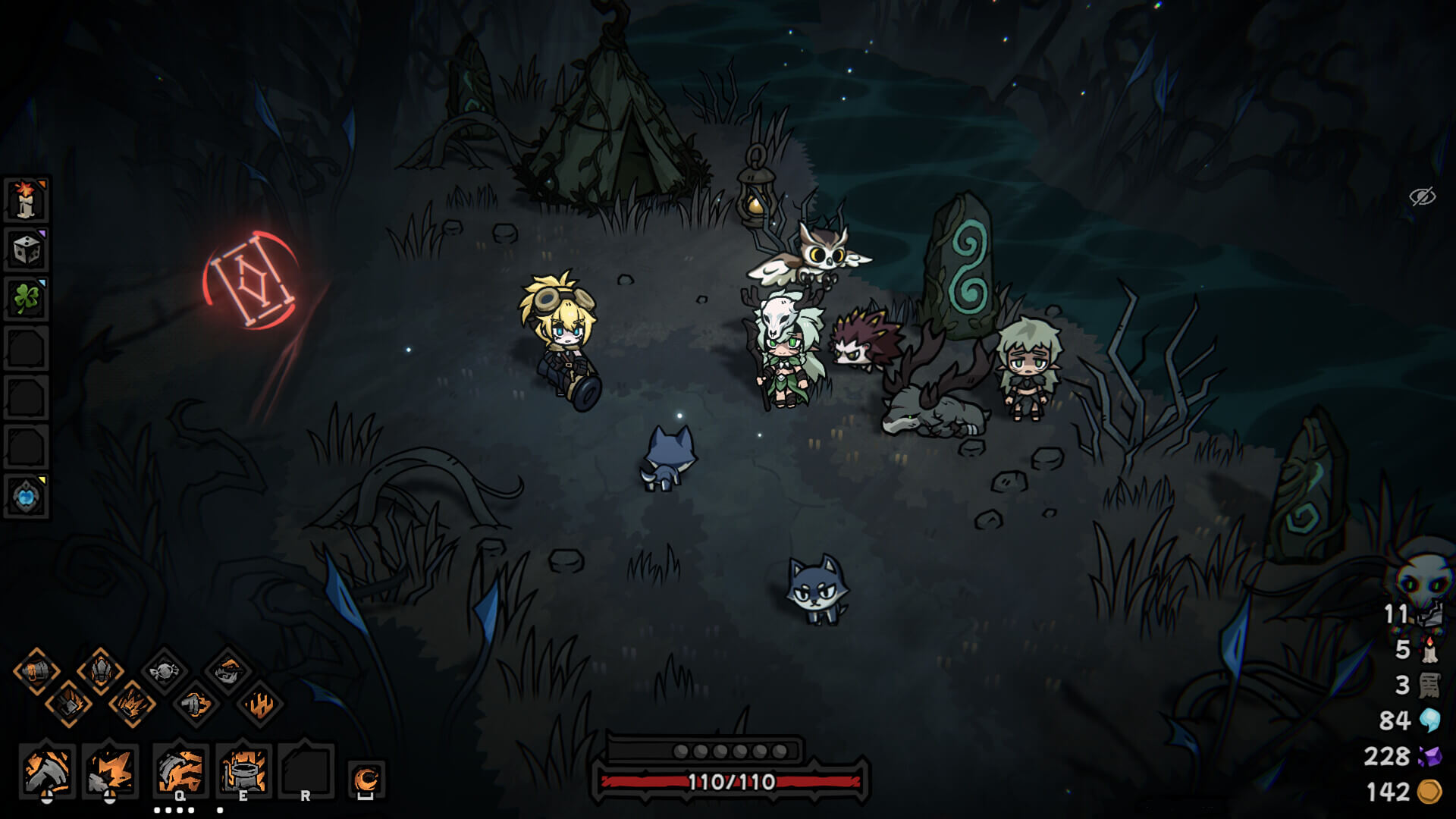
The fastest way to compare the roster is to look at three things: combat identity, execution demand, and build flexibility.
High mobility, burst-heavy pressure, and a lower tolerance for sloppy execution. Strong when you want speed and payoff windows.
More deliberate tempo, sturdier defensive identity, and a higher focus on disciplined spacing and timing.
A slower, more setup-oriented style that rewards long-fight planning and layered scaling instead of immediate pressure.
Still part of the Early Access conversation, but less useful as a starting reference until the game's public character picture settles further.
The best beginner character is the one that makes the game's decision structure easier to understand. Players usually improve faster on a hero that teaches core timing, positioning, and build logic cleanly.
Each character should be framed by what they are trying to accomplish in combat: burst, pressure, control, survivability, setup, or scaling. That matters more than surface-level labels.
Character guides are most useful when they help players choose based on tempo and comfort, not just abstract rankings.
Choose the hero with the cleanest movement and most understandable damage rhythm. The best beginner pick is the hero that teaches the game well, not just the hero with the highest eventual ceiling.
If you like more deliberate spacing, defensive timing, and steadier pacing, the tankier or more measured characters will usually feel more stable.
Summon-heavy or slower setup heroes reward planning and long-fight structure more than immediate pressure. They can feel excellent later, but are not always the cleanest learning tools.
Good character advice should be honest. A hero can be powerful and still be a poor fit for a new player.
Every hero benefits from having an early direction that is easy to recognize. Good starting advice should not assume perfect RNG.
Fast answers for players deciding which hero is actually worth learning first.
Cinderia currently features four playable heroes in Early Access, although some are much more useful than others as starting reference points for new players.
The best character depends on what you need. For many players, the best early choice is the hero that makes movement, timing, and build logic easiest to understand.
The easiest hero is usually the one with the clearest combat rhythm and the least punishment for imperfect execution. Clean learning curve matters more than theoretical power.
If you already know the kind of playstyle you want, the next step is to understand the skills, gear, and boss demands that support it.